Unlock Local Growth!

Ready to attract more local customers in Turkey or the UK? Get actionable SEO insights delivered to your inbox.

Measuring Local SEO Success Metrics


How to Measure and Track Local SEO Success: Key Metrics Beyond Vanity Numbers

Posted on: 2026-02-20
By: Oliver Bennett


Have you ever analyzed how your local SEO metrics truly reflect your business performance? Understanding the right metrics can unlock the full potential of your online presence and drive real growth.

What You Will Learn

  • Identify the key local SEO metrics that matter, including Click-Through Rate (CTR) and Conversion Rate.
  • Understand how to evaluate your Google Business Profile (GMB) insights for better engagement.
  • Learn the importance of citation consistency and NAP accuracy for enhancing search visibility.
  • Discover how to convert engagement metrics into actionable strategies for improved ROI.

Key Local SEO Metrics for Business Growth

Monitoring these metrics provides actionable insights for continuous improvement and achieving tangible business growth.

Google Business Profile (GMB) Insights

  • • Call Volume
  • • Direction Requests
  • • Website Clicks

Measures direct engagement from your listing.

Local Pack Rankings

  • • Ranking over time
  • • Correlation to traffic
  • • Competitor analysis

Evaluates visibility and impact on customer behavior.

Citation Consistency & NAP

  • • Consistent NAP across platforms
  • • Local directory monitoring
  • • Tools for tracking

Ensures accurate business information for search engines.

Organic Traffic Quality

  • • Relevant keywords
  • • Content expectations
  • • Bounce rates

Focuses on attracting genuinely interested visitors.

User Engagement

  • • Session Duration
  • • Pages per Session
  • • Low Bounce Rate

Reflects how well your website serves its visitors.

Measuring ROI

  • • Track conversions
  • • Connect sales data
  • • Review marketing spend

Links marketing efforts to tangible revenue outcomes.

Understanding Local SEO Metrics: Moving Beyond Surface-Level Insights

As a small business owner, I’ve seen firsthand how local SEO metrics can transform your online presence. But let’s face it—many of us get caught up in vanity metrics that don’t tell the whole story. Instead, we need to focus on metrics that truly assess our performance in the local search landscape.

By honing in on the right metrics, you can make informed decisions that drive your business forward. So, what should you be looking at?

Defining Local SEO Success: What Metrics Matter?

To gauge your local SEO success, it’s crucial to identify the metrics that truly reflect your impact. According to Search Engine Land, focusing on key performance indicators (KPIs) like those below can help you measure real progress. Here are a few key metrics that can help:

  • Click-Through Rate (CTR): This measures how many people click on your listing compared to how many see it.
  • Conversion Rate: This indicates the percentage of visitors who take a desired action, such as making a purchase or calling your business.
  • Organic Traffic: This tracks the number of visitors coming to your site organically, highlighting your visibility in search results.
  • Local Pack Visibility: Understanding your position within the Google Local Pack can help you assess your competitive standing.

Focusing on these metrics rather than surface-level insights allows you to truly measure your local SEO performance and make necessary adjustments.

Key Metrics for Evaluating Local Search Performance

Let’s dive deeper into the essential metrics that can indicate local SEO success. First, the click-through rate (CTR) is vital—it's your first touchpoint with potential customers. A high CTR indicates that your business is appealing to those searching for services like yours.

Next, the conversion rate tells you if your website effectively turns visitors into customers. Tracking organic traffic can help you understand how well your site is performing in search results, and can also hint at areas for improvement.

  • Use tools like Google Analytics to track your organic traffic.
  • Monitor your CTR through Google Search Console.
  • Evaluate your conversion rate by setting up goals in your analytics platform.

These key metrics provide insights that are essential for evaluating your local search performance and ensuring that your efforts yield measurable results.

Why Tracking Local SEO Metrics is Essential for Business Growth

Tracking the right local SEO metrics isn’t just about understanding your visibility; it’s about driving business growth. When you measure metrics like CTR and conversion rates, you start to see how your online presence impacts your bottom line. As the Small Business Administration (SBA) emphasizes, understanding your market and competition through data is crucial for strategic planning.

Person analyzing local SEO metrics on a dashboard

By focusing on metrics that directly correlate with ROI, you can make better decisions that foster long-term success. It’s about accountability and ensuring your marketing spends are driving real results.

  • Identify which metrics align with your business goals.
  • Regularly review these metrics to track progress.
  • Adjust your strategies based on data-driven insights.

In the competitive landscape of local SEO, being proactive about tracking your metrics can set you apart from the competition and pave the way for growth. For more detailed guidance, the SBA offers resources on market research and competitive analysis to help businesses refine their strategies.

Actionable Local SEO Metrics for Effective Tracking

Analyzing Google Business Profile (GMB) Insights

Your Google Business Profile (GMB) is a treasure trove of insights. Metrics like call volumes and direction requests are crucial for measuring how effectively you engage with your local audience. Have you checked your GMB insights lately? They can reveal a lot about what potential customers are looking for!

Here are some key GMB metrics to monitor:

  • Call Volume: Indicates how many people are reaching out to you through GMB.
  • Direction Requests: Shows how many users are asking for directions to your location.
  • Website Clicks: Measures how many users visit your site directly from your GMB listing.

By analyzing these insights, you can tailor your strategies to improve customer engagement and increase foot traffic.

Evaluating Local Pack Rankings: More Than Just a Position

Your position within the local pack is essential, but it’s not the whole picture. Evaluating your local pack rankings requires understanding how your visibility impacts customer behavior. Are people clicking through to your site? Are they contacting you? These are not just metrics; they’re indicators of success!

Consider these evaluation points:

  • Track your rankings over time to see if you’re consistently appearing in the local pack.
  • Analyze how your ranking correlates with website traffic and conversions.
  • Compare your performance against competitors to identify areas for improvement.

Remember, it’s all about leveraging your local pack presence to boost real-world engagement.

Measuring Citation Consistency and NAP Accuracy

Citation accuracy is critical for maintaining strong local SEO. Ensuring your Name, Address, and Phone number (NAP) are consistent across all platforms can significantly impact your search visibility. If your NAP is inconsistent, it can confuse both search engines and potential customers.

Here’s what to focus on:

  • Regularly check your NAP across all listings and ensure consistency.
  • Monitor local directories for citation accuracy.
  • Use tools like Moz Local or Yext to keep track of your citations.

By measuring citation consistency, you help bolster your local search presence and enhance your credibility.

Tracking Organic Traffic Quality: Engaging the Right Audience

When it comes to organic traffic, quality trumps quantity every time. Are the visitors coming to your site genuinely interested in your offerings? Analyzing metrics like organic click-through rate and bounce rate can give you insights into whether you’re attracting the right audience.

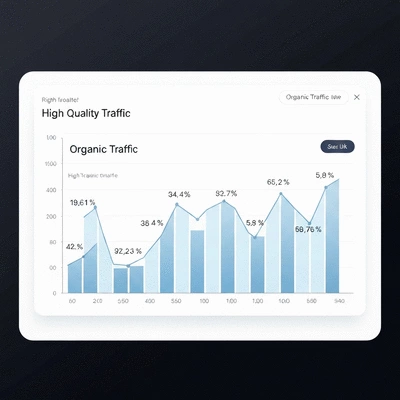
Graph showing high quality organic traffic data

To improve organic traffic quality:

  • Focus on relevant keywords that resonate with your target audience.
  • Evaluate your website’s content to ensure it meets visitor expectations.
  • Use Google Analytics to track your bounce rates and make necessary adjustments.

By ensuring the quality of your organic traffic, you'll create a more engaged audience that is more likely to convert.

Understanding User Engagement: Metrics that Matter

User engagement is a reflection of how well your website serves its visitors. Metrics such as session duration and user experience play a pivotal role in local SEO effectiveness. Have you thought about how user-friendly your site is? If visitors leave quickly, it might be time to reassess.

Here are some key engagement metrics to consider:

  • Session Duration: How long visitors stay on your site can indicate content relevancy.
  • Pages per Session: More pages viewed can mean higher engagement.
  • Bounce Rate: A high bounce rate can signal that your content isn’t meeting user needs.

By focusing on these metrics, you can enhance user experience and keep visitors coming back for more!

Converting Engagement into Revenue: How to Measure ROI

Ultimately, the goal of tracking local SEO metrics is to boost your revenue. Linking metrics to tangible revenue outcomes is essential. Are your marketing efforts translating into sales? This is where understanding your return on investment (ROI) becomes crucial.

To measure ROI effectively:

  • Track conversions from specific campaigns to see what works.
  • Use analytics tools to connect sales data with traffic sources.
  • Regularly review your marketing spend against income generated from local traffic.

By measuring ROI, you can refine your strategies and focus on what drives your business’s success.

Pro Tip

Did you know? Consistently monitoring your Google Business Profile (GMB) metrics can significantly improve your local SEO efforts. Focus on call volume and direction requests to understand customer engagement better. By analyzing these insights, you can tailor your marketing strategies to directly address what your potential customers are seeking!

Frequently Asked Questions About Local SEO Metrics

What are the most important local SEO metrics to track?
The most important local SEO metrics include Click-Through Rate (CTR), Conversion Rate, Organic Traffic, and Local Pack Visibility. These metrics provide insights into how users interact with your business online and help gauge your overall effectiveness in local search.
How can Google Business Profile (GMB) insights help my business?
GMB insights offer valuable data such as call volume, direction requests, and website clicks. By analyzing these metrics, you can understand customer engagement with your listing, identify what potential customers are looking for, and refine your strategies to increase foot traffic and conversions.
Why is citation consistency and NAP accuracy important for local SEO?
Ensuring your Name, Address, and Phone number (NAP) are consistent across all online platforms is crucial. Inconsistencies can confuse search engines and potential customers, negatively impacting your search visibility and credibility. Consistent NAP helps bolster your local search presence.
How do I measure the ROI of my local SEO efforts?
To measure ROI, track conversions from specific campaigns, use analytics tools to connect sales data with traffic sources, and regularly review your marketing spend against income generated from local traffic. This helps you understand which strategies are driving tangible revenue outcomes.
What tools can I use to track my local SEO performance?
Google Analytics and Google Search Console are indispensable tools. Google Analytics helps monitor traffic sources and user behavior, while Search Console provides insights into search appearance and queries. Additionally, tools like Moz Local or Yext can help track citation consistency.

Taking Action: Applying Local SEO Metrics to Your Strategy

Now that we've uncovered the vital metrics to gauge your local SEO performance, it's time to turn those insights into actionable plans! I believe that understanding what the numbers mean is just the first step; the real challenge lies in implementing changes that drive results. So, how do we do this effectively?

Turning Insights into Action Plans for Local SEO Improvement

Creating an effective action plan is all about breaking down your findings into manageable steps. Here’s a straightforward approach to help you get started:

  • Identify Key Metrics: Focus on the metrics that matter most to your business goals—click-through rates, conversion rates, and customer engagement.
  • Set Clear Goals: Define what success looks like. For example, aim for a specific percentage increase in organic traffic over the next quarter.
  • Develop Strategies: Based on your analysis, outline strategies that address weaknesses. If your click-through rate is low, consider optimizing your meta descriptions and titles.
  • Implement Changes: Put your strategies into action. Make sure to document every change for future reference.
  • Monitor Progress: Regularly check back on the metrics to see how your changes are impacting performance. Adjust as necessary!

By following these steps, you'll foster a data-driven culture within your business that continuously seeks improvement. Remember, this isn't a one-time event; it's an ongoing process that can significantly enhance your local SEO results.

Engaging with Customers: Leveraging Reviews and Reputation Management

Your online reputation can make or break your local SEO efforts. Gathering positive reviews and managing your online presence is crucial. Have you thought about how reviews affect your local ranking? They not only boost your visibility but also build trust with potential customers. Here’s how to harness this power:

  • Request Feedback: Encourage satisfied customers to leave reviews on platforms like Google and Yelp. A simple follow-up email can go a long way!
  • Respond to Reviews: Whether positive or negative, responding shows that you value customer feedback. It’s an excellent opportunity to showcase your brand's personality.
  • Monitor Your Reputation: Use tools like Google Alerts to stay updated on mentions of your business. This allows you to address any concerns promptly.

By actively managing your reviews, you significantly enhance your online presence and appeal to local customers. After all, people trust other people, and glowing reviews can be the deciding factor for potential clients!

Utilizing Google Analytics and Search Console for Local SEO Insights

Now, let’s dive into two powerful tools: Google Analytics and Google Search Console. These platforms are indispensable for tracking your local SEO performance. As UPCEA highlights, successful marketing relies on understanding and acting upon these metrics to achieve strategic goals. Here’s how to effectively use them:

  • Google Analytics: Use it to monitor traffic sources. Check which pages attract the most visitors and where your traffic originates.
  • Search Console: Look at the performance report to understand how often your site appears in search results and which queries bring users to your site.
  • Set Up Goals: In Google Analytics, set up goals that align with your business objectives. Tracking conversions will give you insight into what’s working.

These tools provide a wealth of information that can help you refine your strategy. Make sure to leverage them regularly to keep your local SEO efforts aligned with your business goals. The insights they offer are invaluable for continuous improvement, as further detailed in UPCEA's discussion on tracking the right SEO metrics for success.

Recap of Key Points

Here is a quick recap of the important points discussed in the article:

  • Focus on Key Metrics: Concentrate on metrics such as Click-Through Rate (CTR), Conversion Rate, Organic Traffic, and Local Pack Visibility to gauge local SEO success.
  • Utilize Google Tools: Leverage Google Analytics and Google Search Console for tracking organic traffic and understanding performance metrics.
  • Enhance GMB Insights: Regularly check your Google Business Profile insights, focusing on Call Volume, Direction Requests, and Website Clicks to improve customer engagement.
  • Maintain NAP Consistency: Ensure your Name, Address, and Phone number are consistent across all platforms to bolster local SEO.
  • Measure ROI: Link your SEO metrics to revenue outcomes to understand the effectiveness of your marketing efforts.
  • Engage with Customers: Actively manage customer reviews to build your online reputation and trust within the local community.

Subscribe & Share
Measuring Digital Marketing ROI Digital Marketing ROI: How to Measure Success for Your Business In the evolving landscape of digital marketing, understanding your ROI can be the difference between
Measuring Local SEO Success Metrics How to Measure and Track Local SEO Success: Key Metrics Beyond Vanity Numbers Have you ever analyzed how your local SEO metrics truly reflect your business performance? Understan
Local SEO for Expat Businesses The Benefits of Local SEO for Expat-Owned Businesses What if I told you that a simple adjustment to your online presence could unlock doors to a whole ne
Banner
Local Life SEO

Your go-to resource for empowering small businesses in Turkey and the UK. We help local enterprises with tailored local SEO and marketing solutions and genuine customer connections.

Trusted by small business owners and expats, our mission is to provide honest, transparent, and results-driven insights backed by years of experience in local SEO.

Learn More
Recent Posts
Digital Marketing ROI: How to Measure Success for Your Business Measuring Digital Marketing ROI

In the evolving landscape of digital marketing, un

How to Measure and Track Local SEO Success: Key Metrics Beyond Vanity Numbers Measuring Local SEO Success Metrics

Have you ever analyzed how your local SEO metrics

The Benefits of Local SEO for Expat-Owned Businesses Local SEO for Expat Businesses

What if I told you that a simple adjustment to you

Local SEO Insights for Your Business